Fixtures are utilized as often as possible, and with time, a few components like the valve center or valve pole may endure harm. Here’s how to repair them:
- How to Settle a Broken Spigot
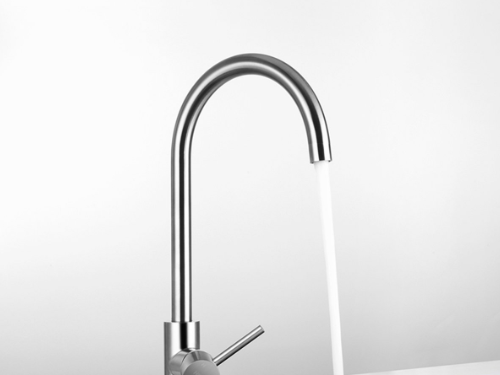
If a fixture is harmed, the to begin with step is to check where the issue lies. If there are spills at the association, it’s likely that the elastic gasket interior is harmed. You can open the fixture and assess the valve center for wear or basically supplant an maturing gasket. After supplanting, reassemble the spigot and check if the spill holds on. If there are still critical spills, evacuate the hex nut and wrap a few more layers of teflon tape around the shaft, at that point fix it once more and see if that settle the issue.
- Another common issue is a harmed valve center, which can wear out over time. Utilizing pincers, you can pivot the faucet’s weight cap counterclockwise to evacuate it, at that point supplant it with a modern valve center, and safely affix it with the pincers. After that, fix the weight cap by turning it clockwise, which ought to settle the spilling issue.
- Is Brass or Stainless Steel Superior for Faucets?
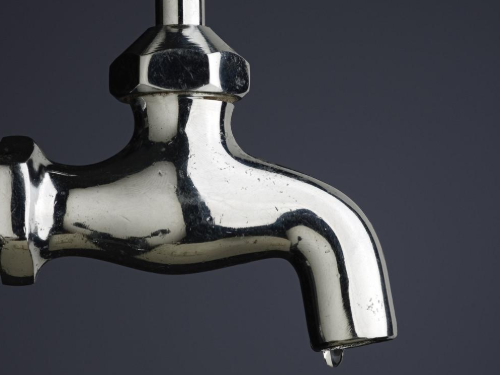
Faucets are basically made from stainless steel or brass. Stainless steel is an eco-friendly fabric and comes in assortments such as 201 and 304. When choosing, select for 304 review as it stands up to rust and is moo in lead, minimizing water defilement. This sort is broadly utilized and sensibly priced.
Brass is moreover a common fabric, known for its great erosion resistance, solidness, and antioxidant properties, which can have a sterilizing impact on water. In any case, brass contains lead, which may present overwhelming metals.
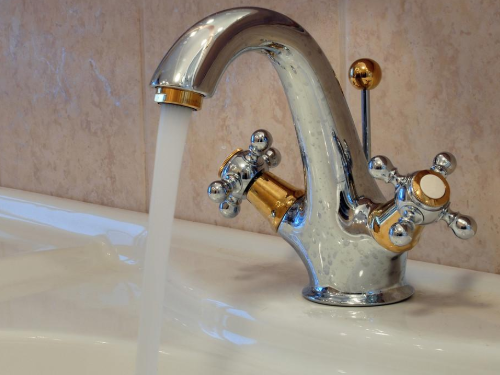
Therefore, when selecting brass, guarantee that the lead substance is inside strict guidelines. For kitchen water utilize, it’s prudent to select stainless steel, whereas for lavatory shower fixtures, brass can be an option.
In rundown, spigots can be made from other materials, counting zinc combination and a few plastics. Over time, fixtures may create spills, but stainless steel and brass have longer life expectancies. If you pick for plastic, it’s more inclined to wear and tear.